
A bilingual will can be valid in Israel, provided it follows one of the formats set out in the Inheritance Law and comes with a certified translation and a clear statement that the testator understood what they signed. If you hold assets in Israel and are drafting a will in two languages, your first move is to preserve the original document, arrange a sworn Hebrew translation, and make sure the will itself records that it was read and understood before signing.
TL;DR:
- Using a witnessed format for a bilingual will in Israel offers the best balance between flexibility and legal protection for most foreign estate owners.
- Including a statement, signed by the testator and witnesses, that a sworn translator read and explained the will in the testator’s language strengthens the document’s validity.
- Attaching the translator’s certification to the will and keeping original and duplicate copies in secure, separate locations reduces processing delays.
- Complete and properly translated documentation, including the original will and proof of understanding, typically results in a probate decision within approximately six weeks.
- Separating jurisdiction-specific wills is safer than a single bilingual document for estates involving assets in multiple countries with differing succession laws.
Will formats under Israeli law and what they mean for bilingual documents
Israeli succession law recognizes four valid will formats, and the one you choose shapes how a bilingual document will hold up at probate. According to a legal overview of will types in Israel, the Inheritance Law sets formal requirements for each type, and meeting them matters more than the language the will is written in.
- A handwritten will must be written, dated, and signed entirely by the testator, which makes a bilingual version tricky since both language sections need to be in the testator’s own hand.
- A witnessed will requires two witnesses who watch the testator sign and declare the document to be their will, a format that accommodates bilingual text more easily since witnesses can confirm the signing act regardless of language.
- A will made before an authority, such as a judge, notary or religious official, builds in a layer of verification because the authority records that the testator presented the will knowingly.
- An oral will is reserved for testators on their deathbed and rarely applies to planned, bilingual estate documents.
For most foreign owners of Israeli property, the witnessed format offers the most practical balance of flexibility and protection.
How courts treat claims that a testator did not understand the will
When a will is written in a language other than the testator’s native tongue, Israeli courts look closely at whether the testator actually understood what they signed, and the evidentiary record you build before signing matters enormously.
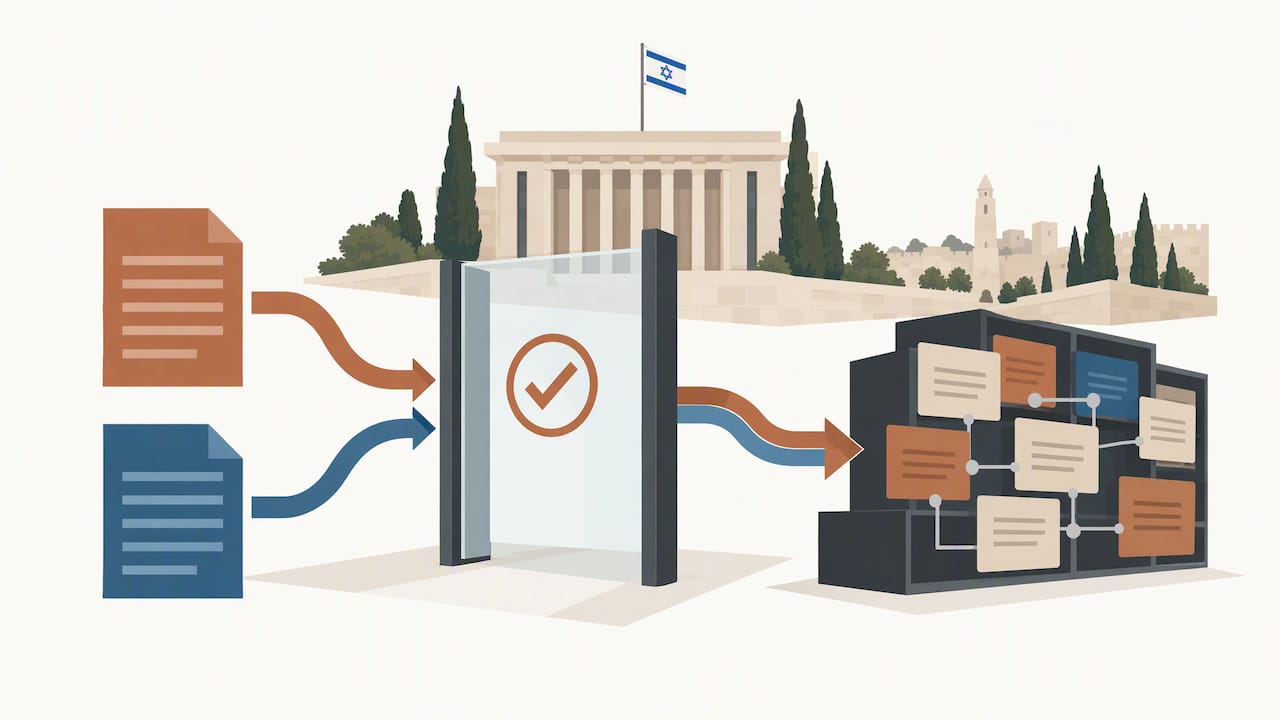
Private international law provisions referenced in Knesset materials on the Inheritance Law explain that Israel generally applies the law of the testator’s domicile for many succession questions, while still allowing Israeli formal requirements to govern the validity of the document itself. That dual framework is exactly why a will drafted abroad, in another language, can still need careful alignment with Israeli form rules to be recognized.
Legal commentary on the effect of language misunderstanding on will validity shows that courts place the burden on the person challenging the will, but that burden becomes much easier to meet when the will contains no notation that it was read or translated to the testator before signing.
A signed attestation that a sworn translator read the governing-language text aloud to the testator, with witnesses present, is one of the strongest protections against a later language-based challenge, according to that same commentary. Courts weigh this kind of on-face documentation heavily when assessing whether the testator truly grasped the content.
- Build the reading and translation into the signing ceremony itself, not as an afterthought.
- Have the witnesses sign a line that specifically references the translation, not just the will.
- Keep the sworn translator’s name and credentials attached to the document for later verification.
Filing for probate with a bilingual or foreign-language will
Once a will needs to go through probate in Israel, the paperwork and translation steps determine how quickly the file moves. The örökösödési ügyek hivatalvezetője lists the documents required for a probate application and states that, as a rule, a complete submission should receive a decision within approximately six weeks, not counting the mandatory public notice period.
- Submit the original will, or, if the original is held abroad, a foreign probate order proven under Section 30 of the Evidence Ordinance, as described in the same Knesset materials.
- Attach proof of death, identification documents for the testator and heirs, and any marriage or birth certificates the Registrar requests.
- Provide a certified Hebrew translation for any will written in a language other than Hebrew, English, or Arabic, since the Registrar routinely requires this before reviewing the file.
- Wait through the public notice period, then expect a decision from the Registrar within roughly 40 days of a complete submission.
- If the Registrar cannot resolve the file, usually because of a dispute or an unresolved legal question, it gets transferred to Family Court for a judge to decide.
Pro Tip: Send your translation and original documents to our team before you book your probate appointment, since missing paperwork is the single biggest cause of delay at the Registrar.
If you are coordinating this from overseas, our guide on unlocking Israeli assets after a cross-border death walks through the documents heirs abroad typically need to gather first.
Drafting a bilingual will that holds up under Israeli probate
A bilingual will works well when it is drafted with Israeli formalities in mind from the start, rather than translated after the fact from a document built for another country’s rules. The clauses you include, and the ones you leave out, determine how smoothly the file moves through the Registrar.
- State the territorial scope clearly: does this will cover only Israeli assets, or your entire estate, since an unclear scope invites conflict with wills made in other jurisdictions.
- Avoid a sweeping universal revocation clause if you already have, or plan to have, a separate will for assets outside Israel, since that clause can unintentionally cancel the other document.
- Designate which language version controls in case of a conflict between the two texts, and say so explicitly in both versions.
- Include a statement, signed by the testator and witnessed, confirming that a sworn translator read the governing-language text aloud and that the testator understood it.
- Attach the translator’s certificate to the will as a permanent part of the signed file, not as a loose supporting document.
Pro Tip: Keep at least one certified duplicate original in safe custody separate from the signed will, and register the Hebrew translation alongside it so neither document ever has to be reconstructed later.
For cross-border estates with meaningful property in more than one country, many practitioners recommend separate, jurisdiction-specific wills over one universal bilingual document, since a single will trying to cover two legal systems at once raises the odds of a conflicting revocation clause or a scope dispute.
Common mistakes that delay or derail bilingual wills
Most contests and filing delays trace back to a short list of avoidable errors, and nearly all of them can be fixed before you sign anything.
- Submitting a copy instead of the original will, which the Registrar generally will not accept without a foreign court order proving the original’s existence.
- Filing a foreign-language will with no certified Hebrew translation attached, which stalls the Registrar’s review before it starts.
- Signing without any record that the will was read or translated to the testator, leaving the door open to a later understanding challenge.
- Writing a territorial scope so vague that it is unclear whether the will covers worldwide assets or only property in Israel.
- Including a blanket revocation clause that unintentionally cancels a separate will made for assets abroad.
Fixing these before signing, rather than after a dispute arises, is almost always cheaper and faster.
How we help with bilingual wills and cross-border probate
We draft bilingual wills compliant with Israeli formalities, coordinate sworn Hebrew translations, and assist with filing probate orders with the Registrar of Inheritance Affairs on behalf of heirs who cannot travel to Israel. We also assist with recognition of foreign probate orders when the original will was executed outside Israel, and provide remote consultations through the probate process.
- We assist in preparing and filing wills under Israeli formal requirements.
- We coordinate certified translations and ensure translator certificates are included.
- We provide representation through the probate process for heirs unable to travel to Israel.
Pro Tip: Keep a duplicate original and a registered certified translation in safe custody from day one, it is the single habit that prevents the most common filing delays we see.
When a bilingual will works, and when it does not
A carefully executed bilingual will can serve you well when your estate is straightforward and most of your assets sit in Israel. The moment your estate spans multiple countries with meaningfully different succession rules, a single bilingual document starts to carry real risk, particularly around scope and revocation language.
Our honest view: treat a bilingual will as the right tool for a contained, Israel-focused estate, and treat separate jurisdiction-specific wills as the safer choice once foreign property enters the picture. Planning this early, well before a health crisis forces a rushed decision, is what actually prevents probate delays later.
— Menora Law
Need help with a bilingual will or cross-border probate?
We handle the full range of inheritance work for clients living outside Israel, from drafting a will that meets Israeli formal requirements to filing the probate order with the Registrar and resolving disputes that arise from assets split across borders. We work remotely with clients, so travel to Israel is not usually required for consultations, document review, or the probate process.
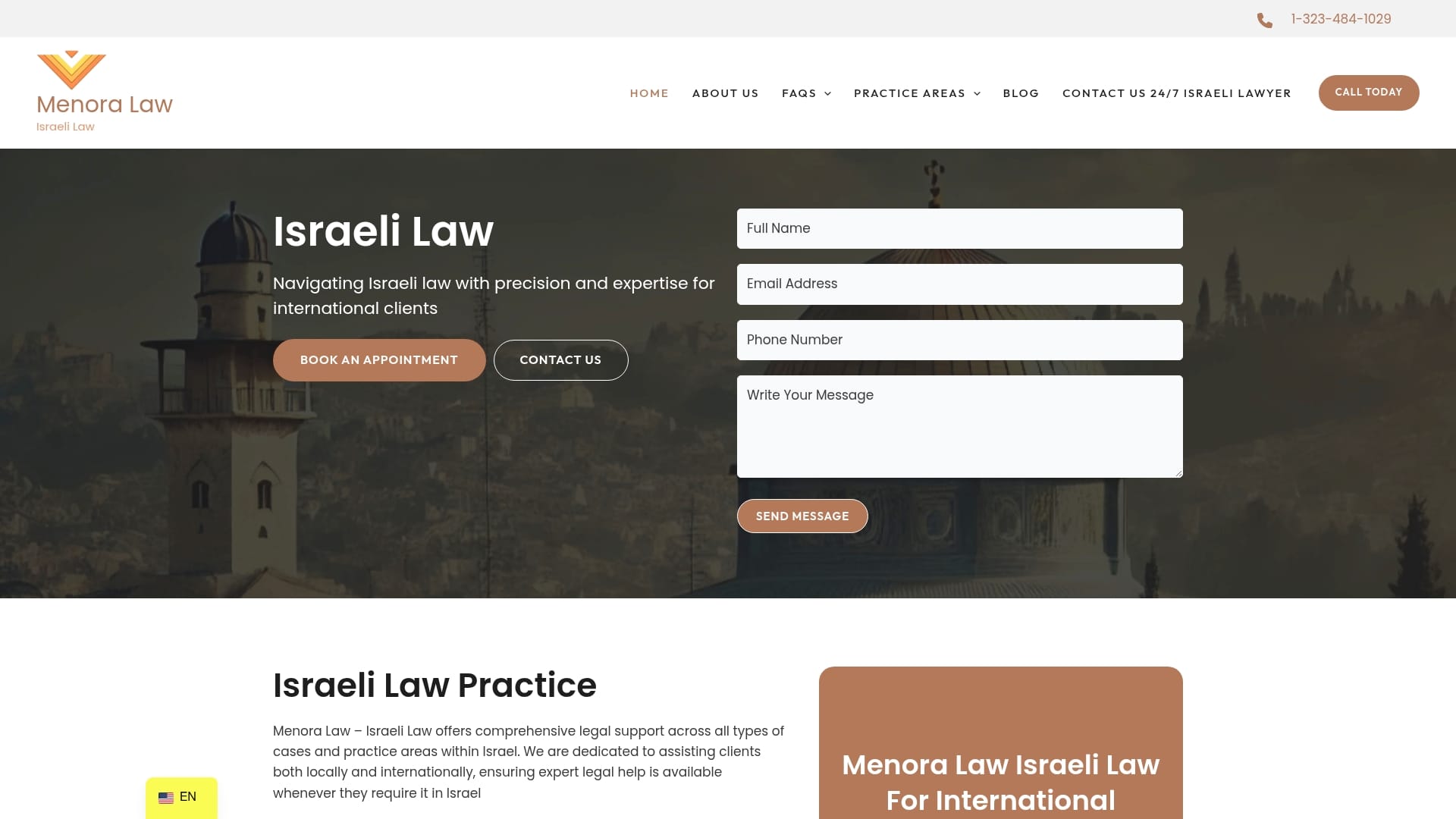
If you already have a will and are unsure whether it meets Israeli standards, or you are starting from scratch with assets in more than one country, our team can review your situation and outline the exact steps for your case. If your property sits outside Israel entirely, partner resources on cross-border real estate inheritance can help you think through that side separately. Start by reaching out through our main services page to set up an initial review of your documents.
This article is general information, not a substitute for advice from a qualified lawyer. Consult a qualified legal professional about your own circumstances before acting on anything here.
GYIK
Is a bilingual will automatically valid in Israel?
No, a bilingual will is not automatically valid just because it exists in two languages. It must still meet one of the formal requirements set out in the Inheritance Law, such as the witnessed or before-authority format, and ideally include a statement that the testator understood the text before signing.
Do I need a certified translation for probate?
Yes, the Registrar of Inheritance Affairs routinely requires a certified Hebrew translation for any will written in a language other than Hebrew, English, or Arabic before it will review a probate application. Without it, the file typically cannot move forward.
How long does Israeli probate take for a foreign-language will?
The Registrar aims to issue a decision within about 40 days of a complete submission, according to the Registrar’s own process description, though this excludes the mandatory public notice period. A missing translation or incomplete documents will extend that timeline.
Should I write one bilingual will or separate wills for each country?
For a straightforward estate concentrated in Israel, one carefully drafted bilingual will can work. Once meaningful assets exist in another country, separate jurisdiction-specific wills generally reduce the risk of conflicting revocation clauses or unclear territorial scope.
What happens if a court doubts I understood the will’s language?
Legal commentary on language-understanding challenges shows the burden falls on the person challenging the will, but that burden becomes far easier to meet without a signed statement that the testator heard the text read or translated before signing. Building that statement into the signing ceremony is the strongest protection available.
Sources
- Request an inheritance order | The Guardian General and Director of Inheritance Affairs
- Knesset bill and Inheritance Law excerpts (private international law chapter)
- צוואות בישראל: סוגי הצוואות, דרישות חוקיות
- LaReshet: effect of not understanding language on will validity


 English
 Afrikaans
 العربية
 বাংলা
বাংলা Čeština
 简体中文
简体中文 Nederlands
 Suomi
Suomi Français
 Deutsch
 עִבְרִית
 हिन्दी
 Magyar
 Italiano
 日本語
日本語 한국어
한국어 Polski
 فارسی
فارسی Português do Brasil
 Русский
 Español de México
 Українська