
An Israeli inheritance order governs assets in Israel, but it usually doesn’t unlock assets abroad on its own. Foreign banks and registries answer to their own laws, so start three tracks at once: file with the Регистратор наследства, inventory every foreign asset, and begin authentication and translation. Bring in Israeli counsel with cross-border experience and a local advisor in each asset’s country.
TL;DR:
- Foreign banks may require local probate or resealing, authenticated translations, or apply forced heirship rules, so verify each country’s requirements before relying on Israeli distributions.
- Ask each institution for written requirements before ordering Apostilles, and prepare certified translations carefully because name or date errors can trigger rejection.
- Israel has no separate inheritance tax, but certain sales, including foreign real estate, require Section 91 reporting within 30 days; retain purchase records and foreign tax receipts.
- Consider an estate administrator for disputes or complex assets, and контакт foreign counsel early because local probate requirements and timelines vary by country.
What should you do in the first 30 to 90 days?
Early moves can help the process run smoothly rather than stall. Here is the order we follow with families:
- Apply to the Registrar for an inheritance or probate order, and gather the Israeli originals: death certificate, will, and IDs.
- List every foreign asset with its country, the institution holding it, and контакт details for the bank, registry or share register.
- Order Apostilles and certified translations early, and request a police certificate if the foreign side asks for one.
- Decide whether to nominate or request a professional estate administrator (מנהל עיזבון), especially if there are disputes or complex assets.
- Open a conversation with a foreign legal or tax adviser, and save proof of purchase dates and acquisition prices.
Pro Tip: Ask each foreign institution for its document requirements in writing before you authenticate anything, so you pay for one round of paperwork instead of two.
Where does an Israeli inheritance order stop working?
An Israeli order covers assets inside Israel. Assets held abroad stay under the law of the country where they sit, and the Registrar’s guidance reflects that limit. In practice, foreign authorities respond in a few typical ways:
- They ask for a local succession order or a resealing of the grant by a local court.
- They accept the Israeli order only when it arrives authenticated and translated.
- They apply mandatory local rules, such as forced heirship, that can override how the estate was divided in Israel.
On that last point, EU guidance on cross-border inheritance notes that national authorities can refuse a chosen law that conflicts with public policy, which is why you confirm local rules before relying on an Israeli allocation. Expect to support your Israeli documents with an Apostille, a certified translation and sometimes a local grant.
What Israeli tax and reporting duties apply to inherited foreign assets?
Israel has no separate inheritance tax, but inherited foreign assets can still bring capital gains tax, betterment tax or purchase tax, depending on the asset. A later sale is where most of the exposure sits.
- Section 91 reporting: beneficiaries must report the sale of certain assets, including foreign real estate, within 30 days, using the Israel Tax Authority’s Section 91 forms.
- Historic cost and date: inherited foreign real estate generally carries the original purchase date and cost into Israel under Section 88, which shapes the gain calculation, as this tax analysis explains.
- Treaties and receipts: keep foreign tax receipts, since cross-border transfers depend on each country’s rules, treaties and the heirs’ residency.
Report within 30 days of selling certain inherited assets, including foreign real estate, under Section 91 of the Income Tax Ordinance. Check the Tax Authority’s guidance on the reporting requirements and possible consequences of missing the deadline.
Which documents need an Apostille, notarization and translation?
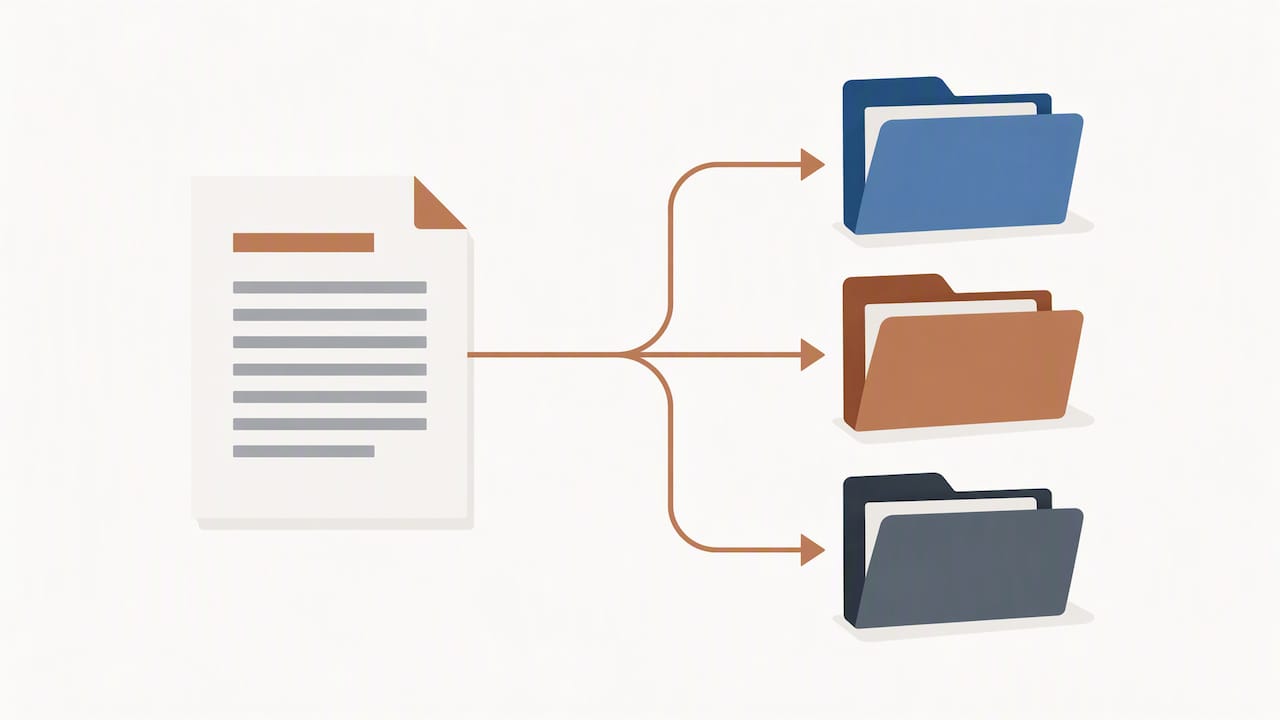
Foreign registries and banks usually want the death certificate, the will, the Israeli inheritance order, identity documents, property deeds and bank letters. Most need an Apostille or consular verification plus professional translation, and the Ministry of Foreign Affairs notes this can add weeks.
- Check whether the destination country accepts an Apostille or demands further legalization. A short explainer on Apostille versus legalization helps you tell the two apart.
- Use a certified or sworn translator where required, because small spelling errors in names or dates get documents rejected.
- For a police certificate, you can order it through the police website and request Apostille handling, as the Ministry’s FAQ describes.
Pro Tip: Authenticate several originals at once. Banks, land registries and courts each tend to keep one.
How long does the process take, and what causes delays?
Plan in phases, since each has its own pace:
- The timing of Israeli probate varies by case.
- Authentication and translation timelines depend on the documents and process involved.
- Local probate or resealing abroad timelines vary by country and case.
The usual culprits are missing originals, translation errors, authentication mistakes, differences in local succession law and bank identity checks. You can shorten the road by starting authentication immediately, using bilingual wills when drafting, and arranging powers of attorney or remote notarization where the foreign country allows it.
How do you work with foreign lawyers, tax advisers and banks?
Brief your foreign advisers early and ask pointed questions:
- Is local probate required, and how long does enforcement take?
- Do forced-heirship or other mandatory rules change the distribution?
- What taxes will the local side impose?
- What does the bank’s KYC package need, and how should the Apostilled Israeli grant be presented?
We prepare authenticated, translated Israeli documents, draft clear instructions for the foreign lawyer, and keep the Israeli courts and registries moving in parallel. That way the Israeli position stays intact while local requirements are met.
Our view: start earlier than feels necessary
Delays aren’t always legal puzzles. Paperwork can start too late. Families who collect documents, prepare bilingual filings and order Apostille-ready packages early can help reduce the risk of foreign rejections. We work remotely with overseas heirs, coordinate with local counsel, and handle Israeli filings and tax coordination. A short case review maps the steps for each country before money is spent.
— Menora Law
How Menora Law helps heirs abroad
You shouldn’t have to fly to Israel to settle an estate. We run cross-border cases remotely.
- Obtain Israeli inheritance and probate orders
- Prepare Apostille-ready document packages
- Coordinate Israeli tax reporting
- Liaise with local counsel abroad
Book a case review on our international inheritance page and we’ll map your next steps.
This article is general information, not a substitute for advice from a qualified lawyer. Consult a qualified legal professional about your own circumstances before acting on anything here.
Часто задаваемые вопросы
Does an Israeli inheritance order work abroad?
Not automatically. It governs assets in Israel, while foreign banks and registries follow local law and often ask for a local succession order or a resealed grant.
Do I owe Israeli inheritance tax on foreign assets?
Israel has no separate inheritance tax. Capital gains, betterment or purchase tax can still arise, and certain sales must be reported under Section 91 within 30 days, per the Tax Authority.
Do I need an estate administrator for overseas assets?
Often, yes, especially with disputes or complex assets. The Registrar or court can appoint a מנהל עיזבון, who files an inventory and reports under supervision, as the Knesset text provides.
How do I authenticate Israeli documents for foreign use?
Most need an Apostille or consular verification plus certified translation. The Ministry of Foreign Affairs says this can add weeks, so start early.
Sources
- הרשם לענייני ירושה אונליין
- הודעה על מכירת נכס על פי סעיף 91 לפקודת מס הכנסה (טופס 1399י , טופס 1399ח) | רשות המסים בישראל
- אימות חתימה ושירות נוטריוני על מסמכים בנציגות ישראל בחוץ לארץ | Ministry of Foreign Affairs


 English
 Afrikaans
 العربية
 বাংলা
বাংলা Čeština
 简体中文
简体中文 Nederlands
 Suomi
Suomi Français
 Deutsch
 עִבְרִית
 हिन्दी
 Magyar
 Italiano
 日本語
日本語 한국어
한국어 Polski
 فارسی
فارسی Português do Brasil
 Русский
 Español de México
 Українська